

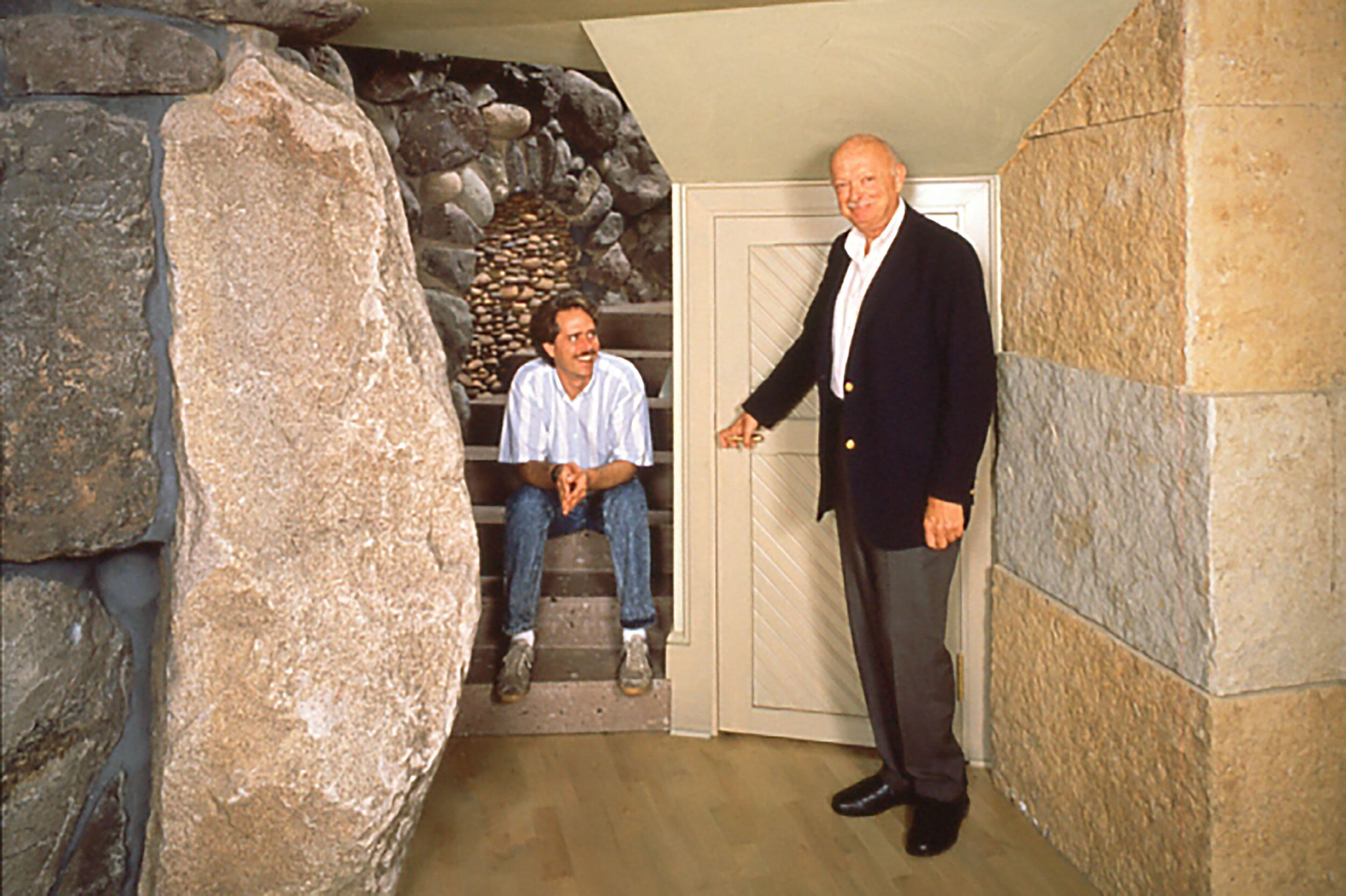
04 Nov Moore’s Mentorship and the Principles We Still Follow
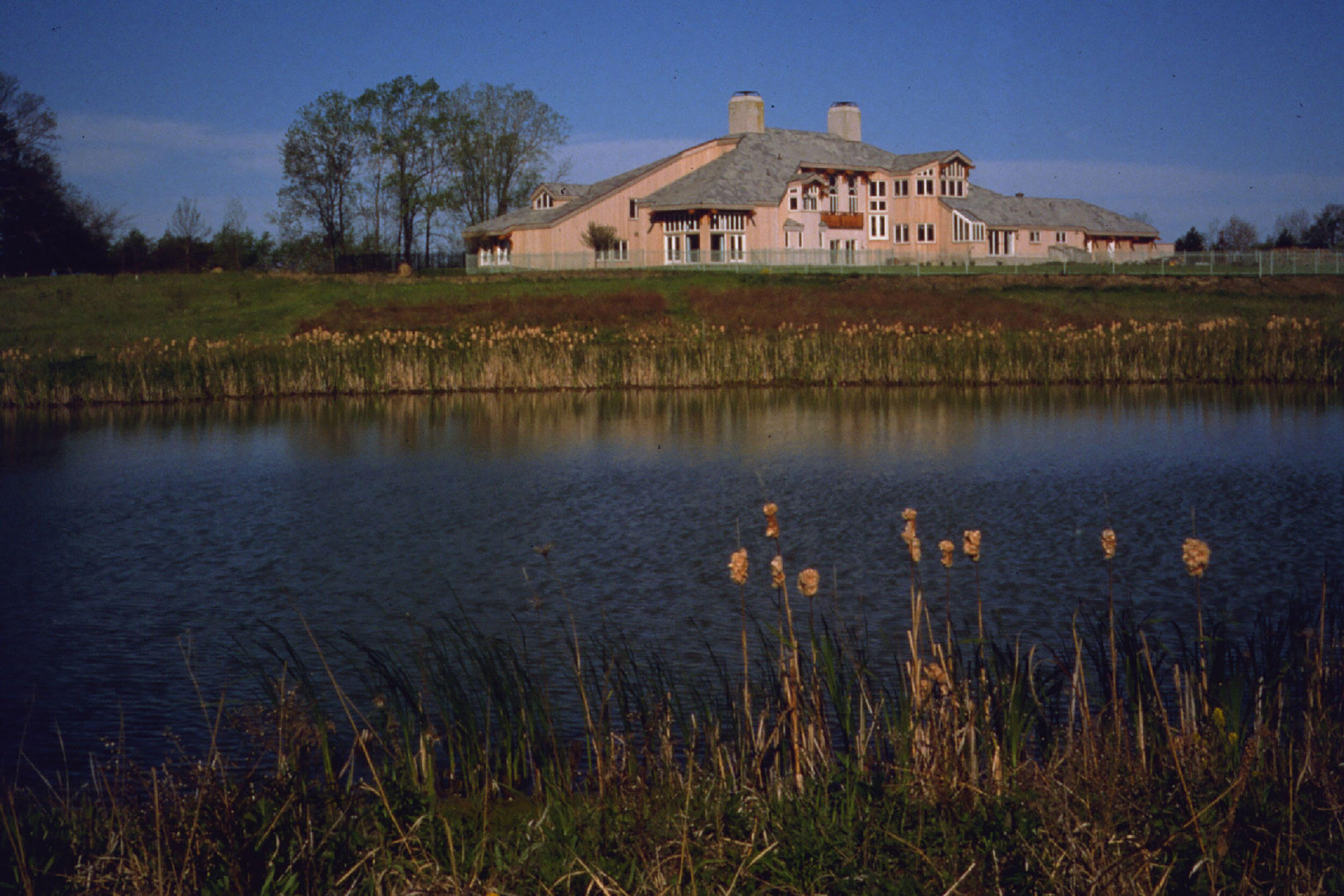
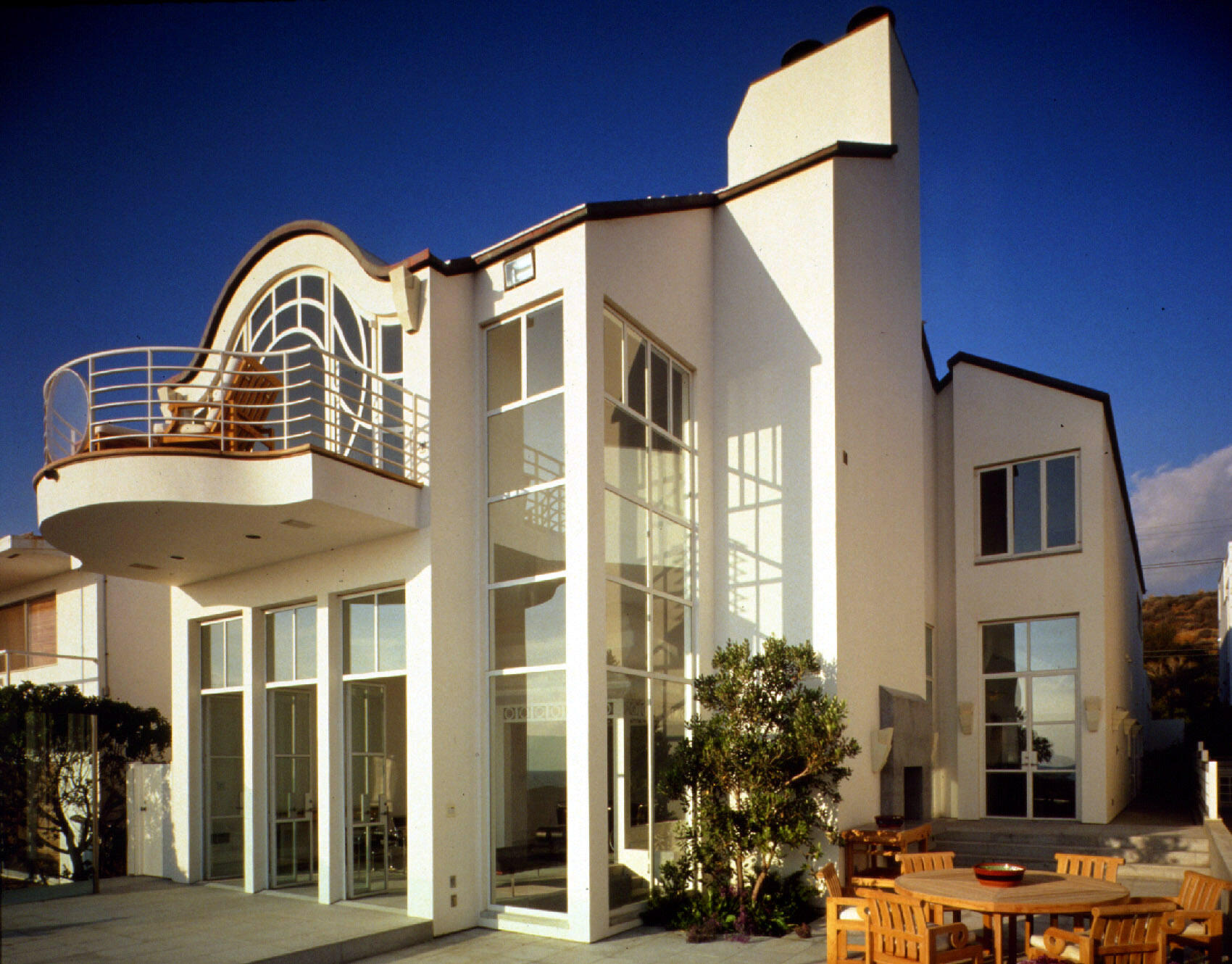
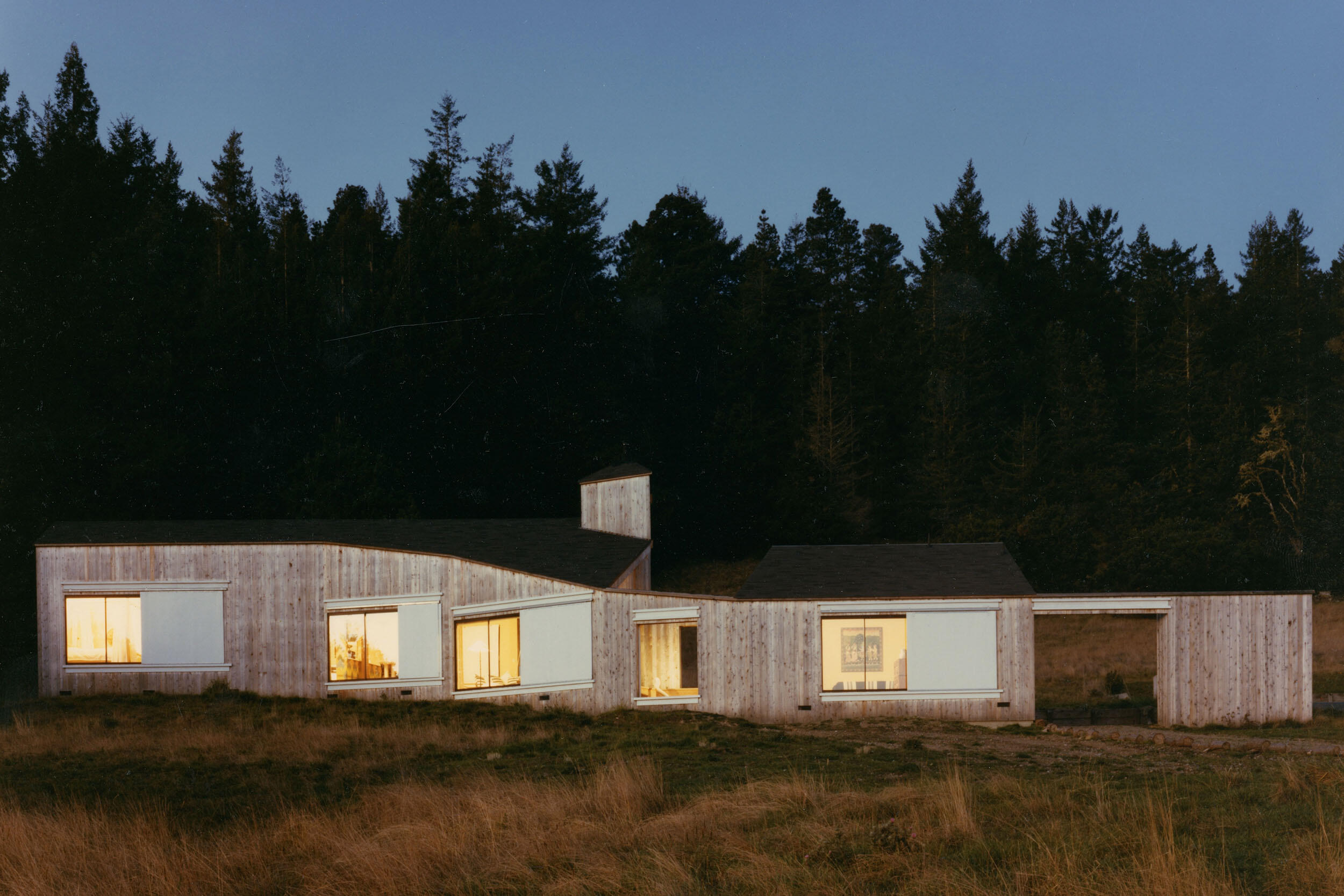
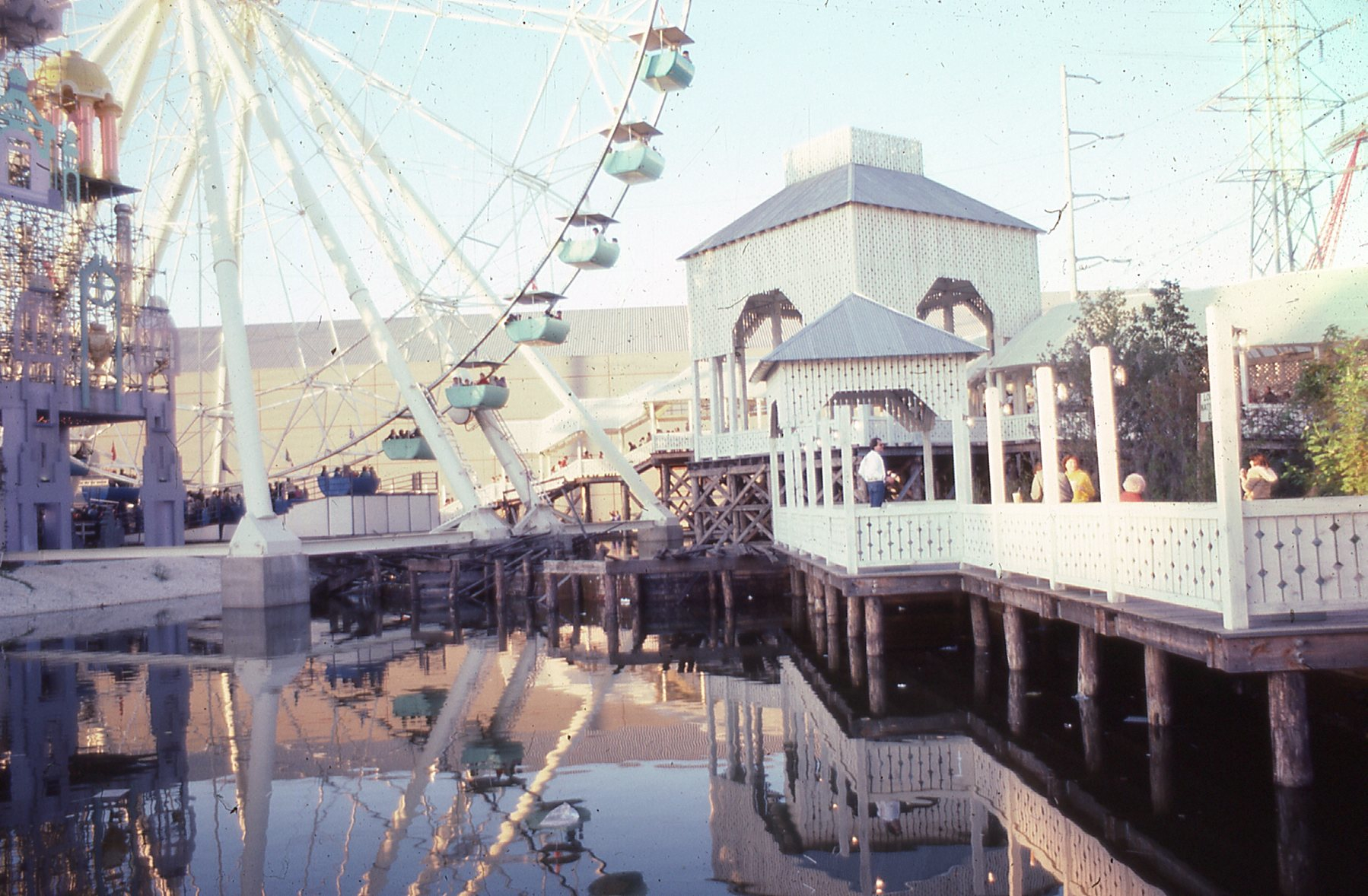
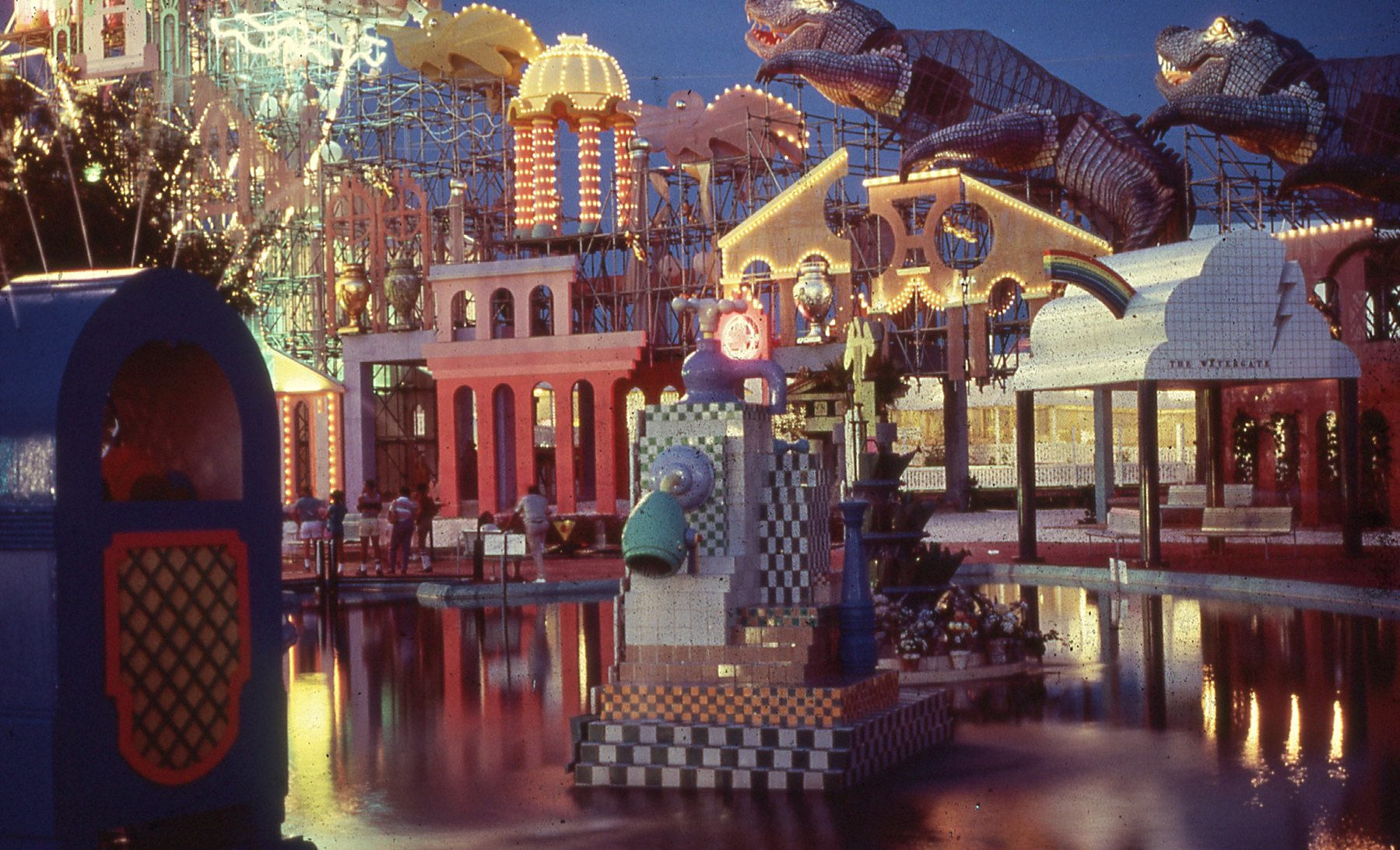
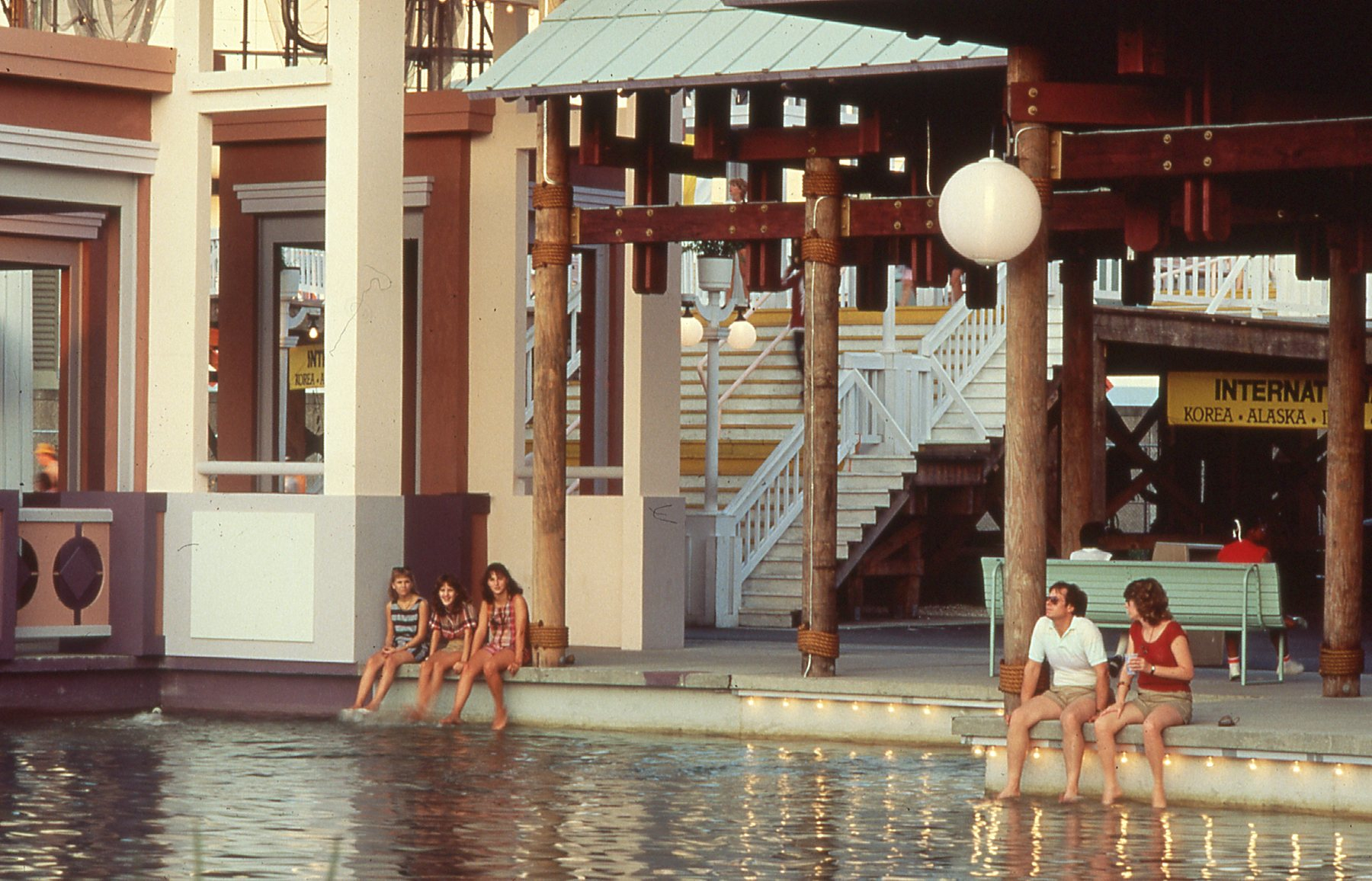
Over the past six months, we have written and posted about what Charles W. Moore taught us. This is the last of them, and a chance to look at the six together: the land, the voice, the hearth, the water, the roof, and memory.
Moore (1925–1993) was one of the most influential architects of the twentieth century. Robbin Hayne trained under him at UCLA’s Urban Innovations Group, and the work they did together is still part of how this office thinks: Prairie House in Racine, Wisconsin; the Wonder Wall at the 1984 World’s Fair; Broadbeach in Malibu; and the house at Sea Ranch, a coastline Robbin later built on himself.
That is what an atelier is, and it is why we do not treat Moore as a reference. It is how we work.
Lesson No. 1
The land comes first

Every project begins with a reading of the site: its grade, its orientation, its light, its edges. The topography is not a constraint to be overcome. It is the brief. A house on a Malibu bluff or a Calabasas ridge should follow the ground it stands on, level by level, until the architecture and the horizon become the same line.
Lesson No. 2
A building finds its own voice
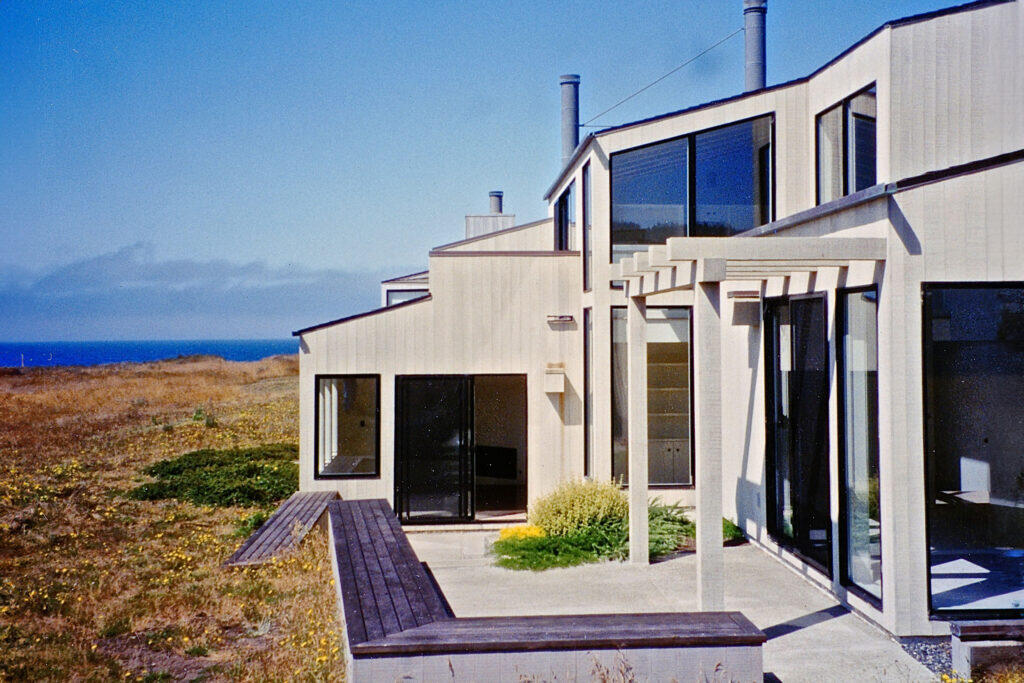
No house of ours arrives with a style. Its voice comes from the site, from what it is built of, and from the people it will shelter. Stone is left as stone and timber as timber. In the interiors, Hillary Hayne mixes periods and materials in ways that stay true to the architecture around them, so that a room answers the building rather than talking over it.
Lesson No. 3
The hearth gathers the house
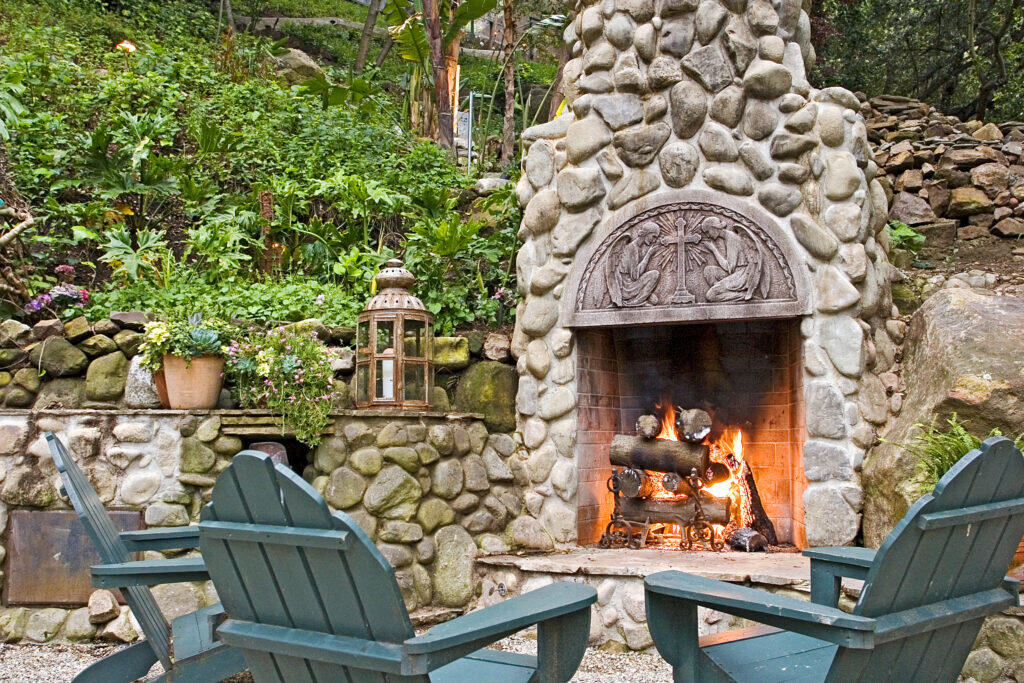
A fire is the one fixed point in a plan, the place the rest of the house arranges itself around. We draw it early, before the rooms that depend on it, because a house that gathers well is a house that gets lived in.
Lesson No. 4
Water does the work of a wall
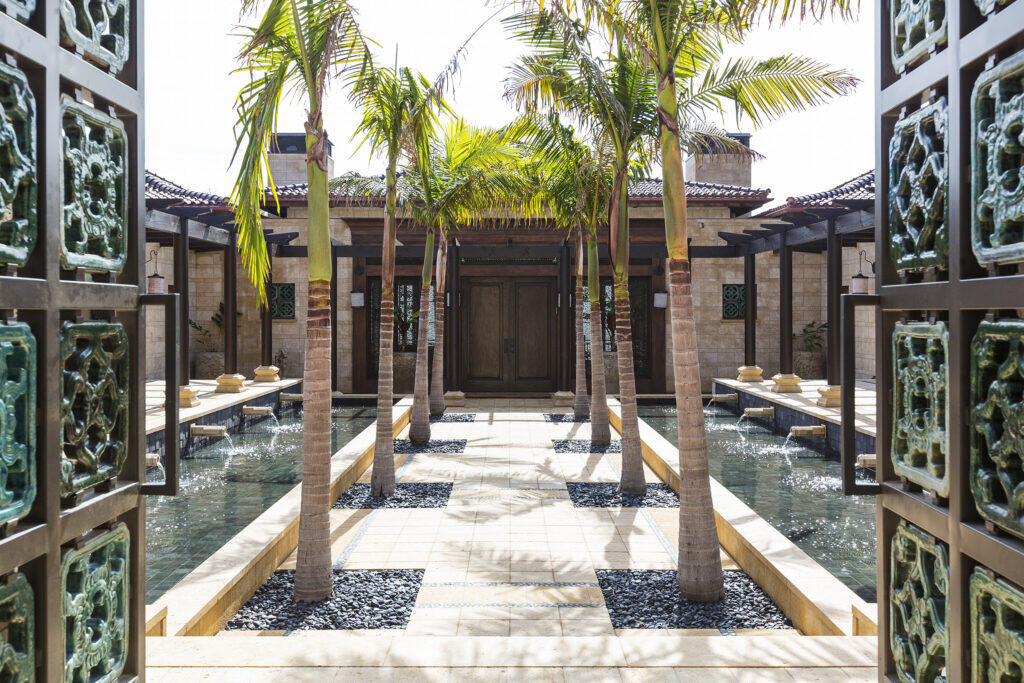
Water, in our hands, is rarely decoration. It marks a threshold, holds a courtyard together, separates a private wing from a shared one, and gives a plan its spine. We wrote about this at length in Water as an Organizing Element.
Lesson No. 5
The roof is the first promise
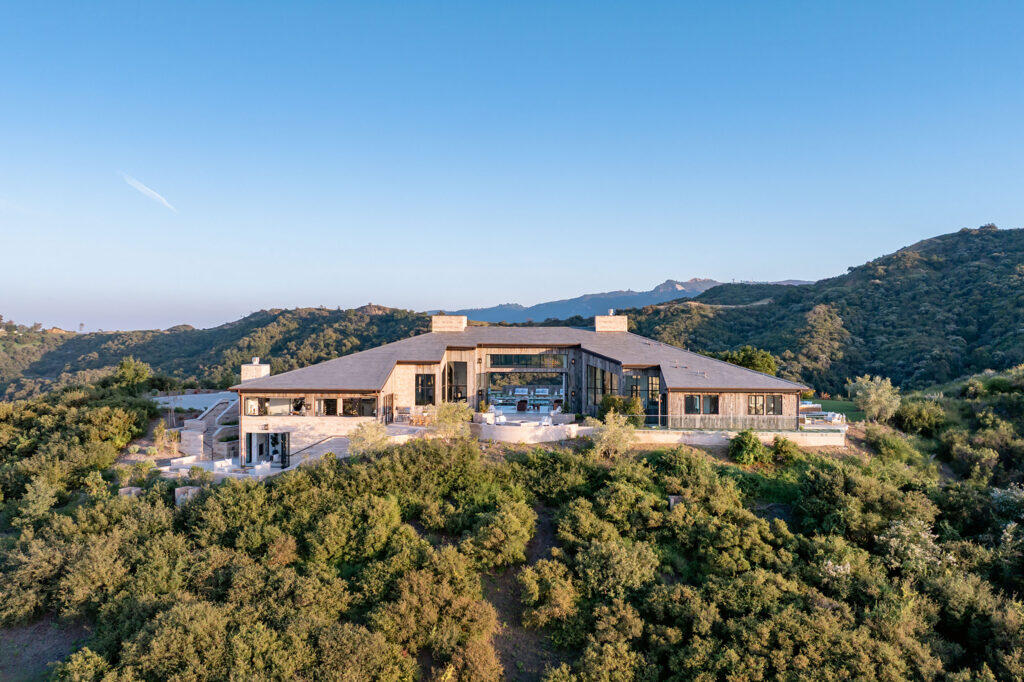
The roof is what the landscape sees before it sees anything else. At Prairie House it reads from a distance as a multi-pitch Nordic form; at Ridgehouse in Calabasas, a sweeping hip roof in green slate is the building’s first conversation with the hillside.
Lesson No. 6
Memory is part of the building
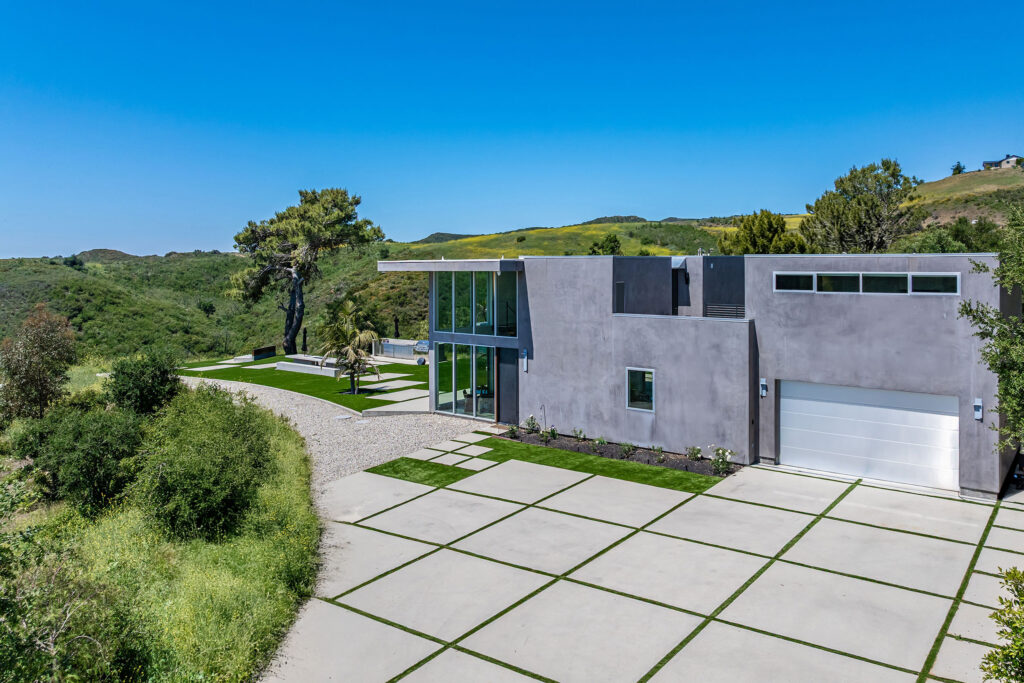
A house is what it accumulates: the light it has held, the weather it has taken, the lives it has sheltered. That is why some of our most important work is not new construction. After the fires, we have rebuilt homes in Malibu and Bell Canyon with the same care they were first given, because a place worth remembering is worth reconstructing.
What stays constant
Hayne Architects was established in 1988, and has worked through every wave since: the return of ornament, the farmhouse moment, the Japandi moment, and the others that have broken and receded. We have not followed any of them. The lessons above are the reason. They are not a style, so they cannot go out of style.
They also explain why the person you hire is the person on site. Robbin is present at the site, in the drawings, and in the decisions, because that is how he was taught, and because work held to this standard needs a principal’s eye at every stage.
A building that belongs so completely to its place that you cannot imagine the place without it is not a failure of originality. It is a success of belonging. That is what forty years of practice looks like, and it is what we are still working toward.
If you are thinking about a new home or a considered remodel in Malibu, Pacific Palisades, Calabasas, or the hills nearby, we would be glad to begin with a conversation about the land.
Discover more from Hayne Architects
Subscribe to get the latest posts sent to your email.
